A kitchen can be visually stunning and still feel exhausting to use. The difference lies not in finishes or appliances but in how the space flows. A well-designed kitchen layout moves with you. It anticipates your rhythm, supports your habits, and turns everyday cooking into something effortless.
This guide is not about rigid rules. It is about understanding the principles behind a well-planned kitchen so every inch of your space works with intention.
What Is a Kitchen Layout and Why It Matters
At its core, a kitchen layout is the arrangement of your essential elements countertops, appliances, storage, and movement pathways. But in practice, it defines how your kitchen feels to use.
The Role of Layout in Everyday Kitchen Use
Every step you take while cooking, reaching for ingredients, washing produce, moving between stove and counter is dictated by your layout. A thoughtful plan reduces unnecessary movement, saving both time and effort.
Kitchen Ergonomics Design Explained
Good kitchen ergonomics ensures that your space supports your body. Counter heights, distances, and placements are designed to minimize strain and maximize comfort. When done right, you don’t notice it, you simply feel at ease.
The Golden Rules of Kitchen Layout Design
Behind every seamless kitchen lies a set of time-tested principles. These are not constraints, they are foundations.
The Kitchen Work Triangle Rule
The classic rule connects the three most-used points: sink, stove, and refrigerator. The distance between them should allow easy movement without crowding. Too close, and the space feels cramped. Too far, and efficiency is lost.
The 5-Zone Kitchen Layout Concept
A more contemporary approach divides the kitchen into five zones:
- Consumables (storage for food)
- Non-consumables (utensils and tools)
- Cleaning
- Preparation
- Cooking
This method aligns your kitchen with how you naturally work, making transitions between tasks seamless.
Ideal Kitchen Workflow Layout
The best layouts follow a logical sequence: storage → prep → cooking → serving → cleaning. When this flow is uninterrupted, the kitchen becomes intuitive.
Step-by-Step Kitchen Layout Planning Guide
Designing a kitchen layout is a process of layering decisions, each one building on the last.
Step 1: Measure Your Kitchen Space Accurately
Start with precise measurements of wall lengths, ceiling height, window positions. This is your foundation.
Step 2: Identify Your Kitchen Needs and Priorities
Do you cook daily or occasionally? Do you need more storage or more prep space? Your habits should guide your layout not trends.
Step 3: Choose the Right Kitchen Layout Shape
Your available space will naturally lead you toward a layout L-shaped, U-shaped, galley, or open-plan.
Step 4: Position Key Elements (Sink, Stove, Refrigerator)
These anchors define your workflow. Place them thoughtfully to reduce unnecessary movement.
Step 5: Plan Countertop and Prep Areas
Ensure enough uninterrupted workspace, especially near the sink and stove.
Step 6: Design Storage and Cabinet Placement
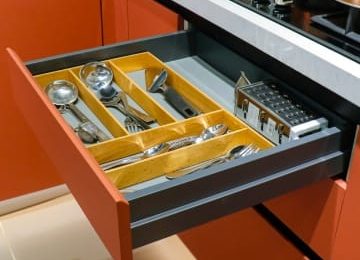
Storage should be accessible and intuitive, frequently used items within easy reach, rarely used ones tucked away.
Step 7: Add Appliances and Utilities Thoughtfully
Built-in appliances should align with your workflow, not disrupt it.
Step 8: Plan Lighting and Ventilation
Natural light, task lighting, and proper ventilation elevate both usability and comfort.
Most Popular Kitchen Layout Designs and When to Use Them
Each layout has its own logic. The key is choosing what aligns with your space and lifestyle.
L-Shaped Kitchen Layout
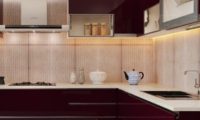
Efficient and versatile, ideal for small to medium homes. It opens up space while maintaining functionality.
U-Shaped Kitchen Layout
Designed for maximum efficiency, offering ample storage and workspace on three sides.
Galley Kitchen Layout
A streamlined solution for compact spaces, with parallel counters optimizing movement.
Single-Wall Kitchen Layout
Minimal and modern, best suited for studio apartments or open-plan living.
Island Kitchen Layout
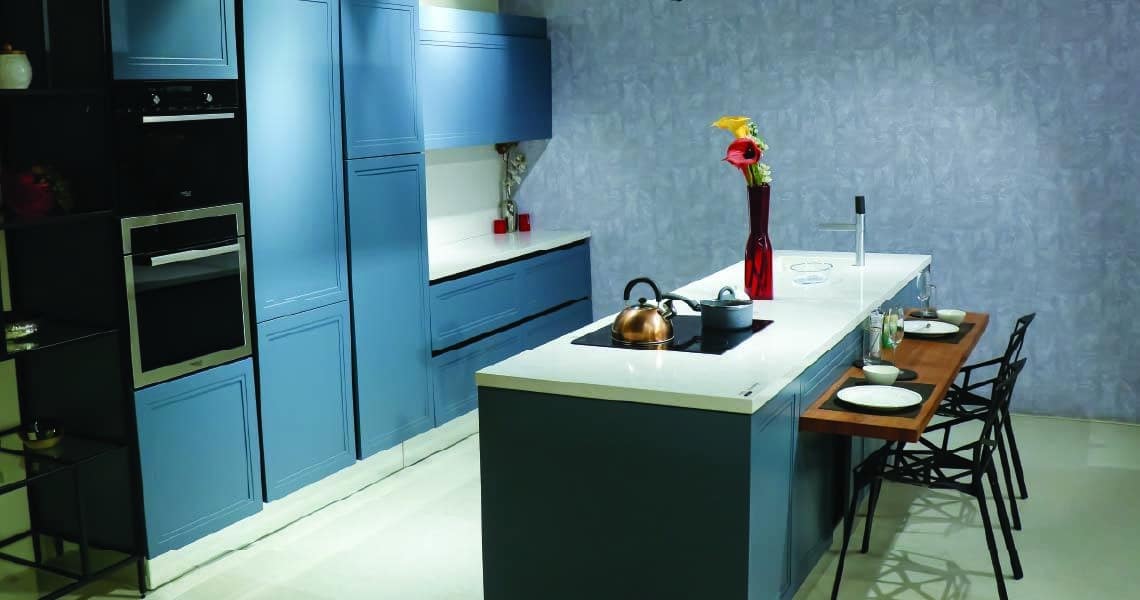
A statement of both function and form perfect for larger homes and social cooking.
Peninsula Kitchen Layout
A practical alternative to islands, offering additional workspace without requiring extra room.
Kitchen Layout Planning Tips for Maximum Efficiency
A refined kitchen is often defined by small, thoughtful decisions.
Maintain Proper Clearance and Walkways
Allow enough space between counters for comfortable movement especially in multi-user kitchens.
Optimize Vertical Storage
Use wall height intelligently with tall cabinets and shelving.
Balance Open and Closed Storage
Open shelves add accessibility and display; closed cabinets maintain visual calm.
Ensure Proper Ventilation
A well-placed chimney or window keeps your kitchen fresh and functional.
Designing Kitchen Layout Based on Space and Lifestyle
No two kitchens should feel the same because no two homes function the same way.
Small Kitchen Layout Design Ideas
Focus on efficiency compact layouts, multi-functional storage, and minimal clutter.
Open Kitchen Layout for Modern Homes
Seamlessly integrate the kitchen with living and dining spaces for a more connected experience.
Kitchen Layout for Large Families
Design for multiple users, more counter space, wider walkways, and defined zones.
Kitchen Layout for Frequent Cooking vs Light Use
Heavy-use kitchens demand durability and efficiency; occasional-use kitchens can prioritize aesthetics.
Common Kitchen Layout Mistakes to Avoid
Even a well-designed kitchen can falter with a few overlooked details.
Ignoring the Work Triangle Rule
Disrupts flow and increases unnecessary movement.
Poor Appliance Placement
Creates friction in daily use.
Insufficient Counter Space
Limits functionality, especially during preparation.
Blocking Natural Movement Flow
Interrupts the rhythm of the kitchen.
Advanced Kitchen Ergonomics and Workflow Optimization
This is where design moves from good to exceptional.
Designing for Multi-User Kitchens
Create parallel work zones to avoid overlap and congestion.
Height and Accessibility Considerations
Counter heights, cabinet placement, and appliance levels should suit the primary users.
Smart Zoning for Faster Cooking
Organize tools and ingredients around their zones to minimize movement.
Kitchen Layout Ideas for Modern Homes
A kitchen today is both a workspace and a reflection of lifestyle.
Minimalist Kitchen Layouts
Clean lines, uncluttered surfaces, and intuitive storage.
Luxury Modular Kitchen Layouts
Precision-engineered designs that combine aesthetics with high performance.
Space-Saving Smart Kitchens
Innovative storage solutions that maximize every inch.
Integrated Dining + Kitchen Layouts
Blending cooking and gathering into one cohesive space.
Cost Considerations in Kitchen Layout Design
A well-planned layout is an investment not just in your home, but in your daily experience.
Does Layout Impact Kitchen Cost?
Yes more complex layouts and customizations can influence overall cost.
Budget vs Premium Layout Planning
The key is knowing where to invest workflow and ergonomics should never be compromised.
Where to Invest for Long-Term Value
Focus on layout, storage, and materials that endure daily use.
Pro Tips from Kitchen Design Experts
Experience brings clarity to design decisions.
Best Layout Combinations for Indian Homes
Adapt layouts to suit cultural cooking styles and storage needs.
Future-Proofing Your Kitchen Design
Plan for evolving needs additional appliances, changing lifestyles.
Designing for Both Aesthetics and Function
A kitchen should look refined, but more importantly, it should work effortlessly.
Conclusion: Designing a Kitchen Layout That Works for You
A well-designed kitchen is not defined by its size or style but by how naturally it supports your daily life. When layout, ergonomics, and workflow come together, the space becomes intuitive.
It stops being just a kitchen and becomes a place that moves with you.
FAQs About Kitchen Layout Design
How to design the best kitchen layout?
Start with your workflow understand how you use your kitchen, then design around movement, accessibility, and comfort.
What are the 5 basic kitchen layouts?
L-shaped, U-shaped, galley, single-wall, and island layouts.
What is the kitchen work triangle rule?
It connects the sink, stove, and refrigerator to create an efficient workflow.
What is the ideal kitchen workflow layout?
A smooth sequence from storage to preparation to cooking and cleaning.
What are common kitchen layout mistakes?
Poor spacing, ignoring ergonomics, and inefficient appliance placement.
Where should a refrigerator be placed in the kitchen?
Ideally at the edge of the work triangle accessible without disrupting the main workflow.
Get Expert Help Designing Your Kitchen Layout
Designing a kitchen is a deeply personal process. It requires more than measurements it demands an understanding of how you live, cook, and gather.
At Saviesa, every kitchen begins with this understanding. Thoughtfully planned, precisely crafted, and tailored to your rhythm so your space doesn’t just look exceptional, it works beautifully every day.