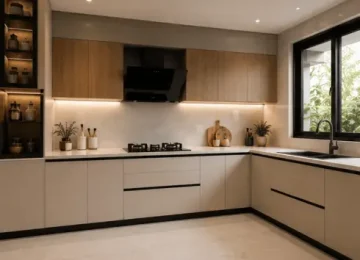
A kitchen chimney is one of the few appliances you notice more when it is wrong than when it is right. A weak one leaves the room smelling of last night’s tadka and leaves a sticky film on cabinets. A noisy one gets switched off. A badly placed one gets in your head, literally.
This guide explains how to choose a kitchen chimney step by step, covering size, suction power, filters, ducting, features, placement and care, so you can buy one that suits your hob, your kitchen and the way you cook.
Why Is Choosing the Right Kitchen Chimney Important?
Improve Smoke and Odour Removal
A chimney’s job is to capture smoke, steam, grease and smells at the source, before they spread through the house. A well-matched chimney does this quietly. A poorly matched one leaves most of it behind.
Handle Indian Cooking Requirements
Indian cooking involves frequent frying, tempering and long cooking times, which produce a lot of oil-laden smoke. Many chimneys perform well on a spec sheet and struggle with this kind of cooking, so choosing for your own cooking style matters.
Protect Kitchen Cabinets and Surfaces
Grease that escapes the chimney settles on cabinet fronts, walls and ceilings. Over time it turns into a sticky layer that is hard to remove, and it can dull finishes. Good extraction protects the cabinetry you have invested in.
Improve Kitchen Ventilation
A chimney also moves heat and humidity out of the room. This makes the kitchen more comfortable to cook in and reduces the moisture that works on cabinets and walls.
How to Choose a Kitchen Chimney Step by Step
Work through these nine steps in order. Each one narrows the choice for the next.
Understand Your Kitchen Layout
Start with where the hob sits and whether there is an outside wall for ducting. A hob on an outside wall makes a ducted chimney easy. A hob on an island or in the middle of the room needs a different type and a longer duct. The layout decides which options are even possible.
Choose the Right Chimney Size
The chimney should be at least as wide as your hob so it can capture rising smoke and steam. As a general guide, a 60 cm chimney suits smaller hobs with two or three burners, and a 90 cm chimney suits larger hobs with four or more burners, or heavy cooking. Always check the hob width and the chimney manufacturer’s recommendation.
Determine the Required Suction Power
Suction power, measured in cubic metres per hour (m³/hr), is how much air the chimney can move. Match it to your cooking, your hob and your ducting rather than choosing the biggest number. See the next section for details.
Select the Right Filter Type
The filter decides how much grease is caught and how often you must clean. For Indian cooking, this is one of the most important decisions. Filter types are compared below.
Choose Ducted or Ductless Installation
A ducted chimney sends air outside, while a ductless one cleans it and returns it to the room. Ducted is generally better where you can fit a duct. See the comparison later in this guide.
Consider Auto-Clean Technology
Auto-clean systems reduce the effort of cleaning, particularly in kitchens with heavy daily frying. They are convenient, but they do not remove the need for occasional manual cleaning.
Check Noise Levels and Controls
A chimney you cannot stand to run does not protect your kitchen. Check the noise rating at the speed you are likely to use, and choose controls that suit how you cook.
Consider Build Quality and Durability
Look at the body material, the filter construction, the motor and the finish. Cheap parts show their weakness in a kitchen’s heat and grease.
Compare Features and Overall Value
Once the essentials are right, compare extras such as lighting, controls and warranty terms. Value means the right specification for your kitchen, not the longest feature list.
How Much Suction Power Does a Kitchen Chimney Need?
What Is Chimney Suction Power?
Suction power is the volume of air a chimney can draw per hour, usually shown in m³/hr. It is measured under ideal test conditions, so real performance is lower once ducting, bends and filters are added.
Recommended Suction Power for Indian Cooking
For Indian homes, a commonly recommended range for a ducted chimney is roughly 1,000 to 1,500 m³/hr, with higher figures for very heavy frying, large hobs or long duct runs. Lighter cooking can manage with less. Treat these as general guidelines and confirm the right figure with the chimney maker for your own hob.
Factors That Affect Suction Requirements
Several things change how much suction you need:
- How often and how heavily you fry and temper
- The width and number of burners on your hob
- The length and number of bends in the duct
- The type of filter, since clogged filters reduce airflow
- Whether the kitchen is open to the living area
Does a Larger Kitchen Need More Suction Power?
Somewhat, but cooking intensity matters more than room size. A large or open-plan kitchen can benefit from stronger suction, because smoke and smells spread further. Even so, a small kitchen with heavy daily frying may need more power than a large one used lightly.
Types of Kitchen Chimneys
Wall-Mounted Chimneys
The most common type, fixed to the wall above the hob. They suit kitchens where the hob sits against a wall, and they are straightforward to duct.
Island Chimneys
Suspended from the ceiling above an island hob. They need a ceiling-mounted duct route and strong capture, since smoke can drift from all sides. They suit island and open-plan layouts. See our island kitchen design page for the layout.
Built-In Chimneys
Concealed inside a cabinet above the hob, so only a slim front edge shows. They give a clean, integrated look, but the cabinet must be planned around the unit and its duct from the start.
Corner Chimneys
Angled to sit in a corner above a corner hob. They are less common and suit specific layouts. Check that capture covers the full hob, since angled designs can leave gaps.
Kitchen Chimney Filter Types
Baffle Filters
Baffle filters use curved metal channels that force air to turn sharply, so grease is thrown out and caught. They are durable, wash easily and cope well with heavy oil, which is why they are often recommended for Indian cooking.
Mesh or Cassette Filters
These use layers of fine mesh to trap grease. They are effective for lighter cooking but clog faster with heavy frying, which reduces suction and means more frequent cleaning.
Filterless Chimneys
Filterless chimneys use a high-speed fan to separate oil from the air and collect it in a tray, without a conventional filter. They reduce routine filter cleaning, though the oil collector and internal parts still need cleaning from time to time.
Which Filter Is Best for Indian Cooking?
For heavy frying and tempering, baffle filters and filterless designs are generally better suited than mesh, because they handle thick oil better and are easier to keep clean. Mesh can work for lighter cooking, if you are willing to clean it often. Check each maker’s cleaning requirements.
Ducted vs Ductless Kitchen Chimneys
How Ducted Chimneys Work
A ducted chimney draws smoke and steam through a duct that leads outside the building. Heat, moisture, grease and odour all leave the house.
How Ductless Chimneys Work
A ductless chimney passes the air through filters, usually including charcoal, to remove odours and grease, then releases it back into the kitchen. No external duct is needed.
Advantages and Limitations of Ducted Chimneys
Advantages: removes heat, humidity, smoke and smells completely; best for heavy cooking.
Limitations: needs an outside route for the duct; long or bendy ducts reduce performance and add noise; installation takes planning.
Advantages and Limitations of Ductless Chimneys
Advantages: easier to install where no outside route exists; flexible placement.
Limitations: recirculates heat and moisture; charcoal filters need replacing; generally less effective for heavy, oily cooking.
Which Chimney Installation Is Better for Your Kitchen?
Choose ducted wherever you can run a short, fairly straight duct to the outside, especially if you fry often. Choose ductless only when ducting is truly impractical, and match it with lighter cooking and regular filter changes. Decide this at the design stage, since the duct route affects cabinets and walls.
Important Kitchen Chimney Features to Consider
Auto-Clean Technology
Auto-clean usually works by heating the internal surfaces so oil melts into a collection tray, or by spinning oil out of the airflow. It makes upkeep easier, though regular emptying of the tray and occasional manual cleaning still apply.
Heat Resistance
Look for sturdy stainless steel or well-made toughened glass that can cope with kitchen heat. Poor materials discolour, warp or crack over time.
Low-Noise Operation
Compare noise ratings at the same speed, and remember that higher suction usually means more noise. Choose a speed range you will actually use, so the chimney does not stay off because it is too loud.
Touch and Gesture Controls
Touch controls are easy to wipe clean, and gesture controls let you adjust speed with a wave when your hands are messy. Both are conveniences, not essentials, so judge whether they suit how you cook.
LED Lighting
Built-in lights illuminate the hob. Look for bright, evenly spread light and check that the bulbs can be replaced.
Smart and Convenient Controls
Remote or app controls, timers and filter-clean reminders add convenience. They are nice to have, but they should not outweigh suction, filter type and build quality.
Kitchen Chimney Installation and Placement
Ideal Chimney Height Above the Hob
Manufacturers usually specify a mounting height, commonly around 65 to 75 cm above a gas hob. Too low risks heat and obstruction, too high weakens capture. Always follow the installation manual for your model.
Ducting Requirements
Keep the duct as short and straight as possible, with few bends, and use the diameter the maker specifies. Long, narrow or twisting ducts cut performance and raise noise. Plan the duct route before the cabinets are built.
Electrical Connection
A chimney needs a properly earthed socket placed out of the way of heat and grease, ideally concealed inside the cabinet above. Avoid extension leads, and have the wiring checked by a qualified electrician.
Chimney Placement for Different Kitchen Layouts
In L-shaped and U-shaped kitchens, the hob is usually on one run, so a wall-mounted or built-in chimney works well, and corner hobs need extra care. In parallel kitchens, the duct often runs to one end wall. In straight kitchens, the hob should have counter on both sides, with the chimney centred above, as covered in our guide to straight kitchen design. Island hobs need an island chimney and a ceiling duct.
Why Professional Installation Matters
A chimney that is installed correctly performs as designed. Incorrect height, a poorly fitted duct or wrong wiring can reduce performance, increase noise or create a safety risk. Use a qualified installer who follows the manufacturer’s instructions.
Common Kitchen Chimney Buying Mistakes
Choosing the Wrong Chimney Size
A chimney narrower than the hob leaves smoke at the sides. Match or exceed the hob width.
Ignoring Suction Power
Choosing on looks or price alone can leave you with a unit too weak for frying. Match suction to your cooking and ducting.
Selecting the Wrong Filter
A mesh filter on a kitchen with heavy daily frying clogs quickly and loses suction. Pick a filter type suited to your cooking.
Overlooking Ducting Requirements
Buying a chimney first and thinking about the duct later often means a long, bendy route and poor performance. Plan the duct with the kitchen. For other common planning errors, see our guide to kitchen design mistakes to avoid.
Choosing Features Without Considering Usage
Gesture controls, app connectivity and extra modes are nice, but they do not fix weak suction or a poor filter. Spend on fundamentals first.
Ignoring Noise Levels
A chimney that is too loud tends to be left off. Check the noise rating and listen to it running if you can.
Poor Chimney Placement
Mounting too high or too low, or off-centre from the hob, weakens capture and can cause problems with heat. Follow the recommended height and centre the unit over the hob.
How to Maintain a Kitchen Chimney
Clean the Chimney and Filters Regularly
Oil builds up quickly, and clogged filters reduce suction. Many makers recommend cleaning filters every few weeks for daily Indian cooking, but follow your own manual. For step-by-step help, see our guide to cleaning kitchen appliances.
Check the Ducting System
Look for oil build-up, loose joints and blockages in the duct. A clogged or leaking duct lowers performance and can be a fire risk.
Maintain the Oil Collection Area
Empty and clean the oil collector or tray regularly, before it overflows or goes rancid.
Follow the Manufacturer’s Cleaning Instructions
Different materials and auto-clean systems need different care. Use the products and methods the maker recommends, and avoid harsh abrasives that damage finishes.
Schedule Professional Maintenance When Required
Heavy use, odd noises or reduced suction are signs that the motor and internal parts need a service. Book a qualified technician for deep cleaning or repairs rather than opening electrical parts yourself.
A chimney works best when it is planned with the kitchen around it. Saviesa builds every kitchen to the exact dimensions of the space, with in-house manufacturing and European hardware, and its design process includes 3D visualisation, so the hob zone, chimney, duct route and surrounding cabinets can be planned together. The modular kitchen design page shows the layouts, and the Saviesa store locator helps you find a studio to see integrated kitchens in person.
FAQs About Choosing a Kitchen Chimney
How do I choose a kitchen chimney?
Match the chimney width to your hob, choose suction suited to your cooking and ducting, pick a baffle or filterless design for heavy frying, decide between ducted and ductless early, and check noise, build quality and installation height. Plan the duct route before the cabinets are made.
What size chimney is best for a kitchen?
The chimney should be at least as wide as the hob. As a general guide, 60 cm suits smaller two- or three-burner hobs and 90 cm suits larger hobs or heavy cooking. Check the maker’s recommendation for your model.
How much suction power is required for Indian cooking?
A commonly recommended range for ducted chimneys in Indian homes is roughly 1,000 to 1,500 m³/hr, with more for heavy frying, big hobs or long ducts. Real performance is lower than the rated figure, so confirm with the manufacturer.
Which chimney filter is best for Indian kitchens?
Baffle filters and filterless designs generally cope best with heavy frying and tempering. Mesh filters work for lighter cooking but clog faster and need frequent cleaning.
Is a ducted or ductless chimney better?
Ducted is generally better because it removes heat, moisture, smoke and smells outside. Ductless suits kitchens where a duct is truly impossible, but it recirculates air and needs regular filter replacement.
Which is better, a 60 cm or 90 cm chimney?
It depends on your hob. A 60 cm chimney suits smaller hobs, while a 90 cm chimney suits larger hobs and heavy cooking, giving a wider capture area. Never choose one narrower than your hob.
How high should a kitchen chimney be installed above the stove?
Manufacturers usually specify a height, commonly around 65 to 75 cm above a gas hob. Follow the installation manual for your model, since too low or too high reduces safety or performance.
How often should a kitchen chimney be cleaned?
It depends on your cooking and filter type. Many makers suggest cleaning filters every few weeks for daily Indian cooking, with the oil collector emptied regularly. Check your manual, and arrange professional servicing when suction drops or noise changes.